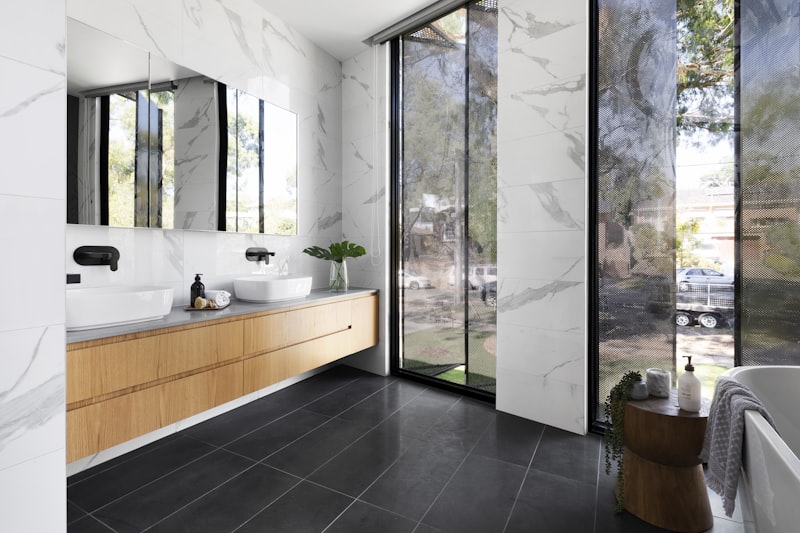
The energy certificate confusion in bathroom renovations
Every time we publish content about bathroom renovations that includes water heaters or underfloor heating, we get the same question: do I need to get an energy certificate after the renovation?
The short answer is: in most standard bathroom renovations, no. But there are relevant exceptions worth knowing.
What the energy efficiency certificate is
The energy efficiency certificate (EPC) is a technical document that evaluates a property’s energy consumption and assigns it a rating from A (most efficient) to G (least efficient). It is issued by a qualified technician after inspecting the property.
The certificate evaluates the building envelope (facades, roof, windows) and the heating and hot water systems. It does not evaluate tiles, sanitary ware or bathroom furniture.
When the energy certificate IS mandatory
1. When you are selling or renting after the renovation: any owner who wants to sell or rent their property is legally required to have a valid EPC (valid for 10 years from issue). If you do not have one or it has expired, you must obtain one before the transaction.
2. When you change the hot water production system to a different technology: changing from gas to a heat pump, for example, may require updating the certificate under Royal Decree 390/2021, especially for properties going to market.
3. When the renovation affects the building’s thermal envelope: replacing a window with one with better insulation properties technically modifies the envelope. For a standard bathroom renovation this rarely applies.
When you do NOT need the energy certificate
- Cosmetic bathroom renovation (tiles, furniture, sanitary ware, screen, taps): no energy system or envelope is affected.
- Bath-to-shower replacement without changing the hot water system: no obligation.
- Installation of electric underfloor heating in the bathroom as the only heating system: does not trigger an obligation for the renovation itself.
- Replacing a conventional radiator with a heated towel rail: no obligation.
How much does the certificate cost
In Valencia:
- Flat up to 90 m²: 150-250 euros
- Flat 90-150 m²: 200-350 euros
- Detached house: 250-500 euros
Valid for 10 years from issue date.
Who can issue the certificate in Valencia
Only qualified technicians: architects, quantity surveyors, industrial engineers or civil engineers. The certificate must be registered in the Valencian Community’s energy certificates registry (managed by the Conselleria de Transición Ecológica).
How to improve the energy rating during a renovation
If you know you will sell or rent after the renovation and want to improve your energy rating:
1. Replace gas heater with aerothermal heat pump: the change with the greatest impact on rating. A heat pump has a COP of 2.5-4. Installation cost: 1,000-2,500 euros.
2. Add underfloor heating with heat pump: reduces heating consumption.
3. Improve window insulation: if the bathroom window faces outside and is old (single glazing or double glazing without thermal break), replacing it with low-emission glass and a thermal break frame improves the rating.
Our budget calculator is available to help you plan your renovation costs.