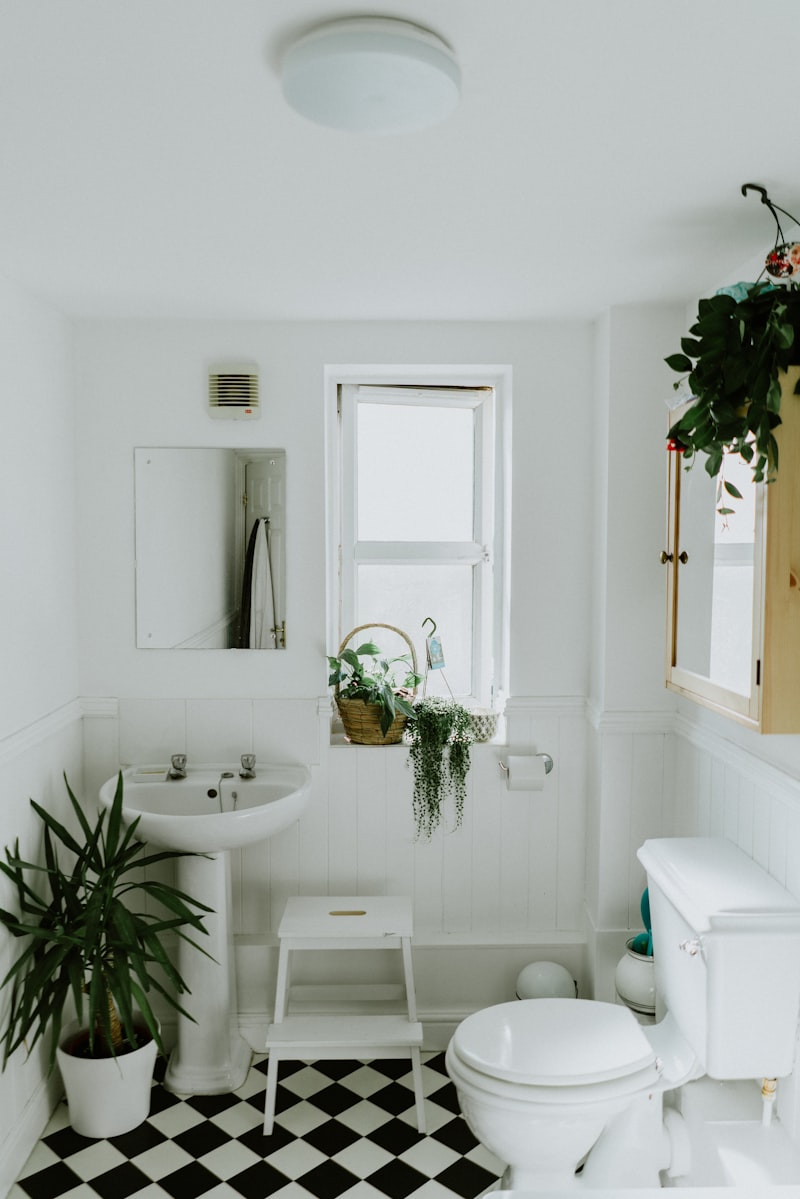
The bathroom is the first thing guests photograph. And the first thing they mention in their review.
Call it the hotelier’s paradox: you invest in the reception, the restaurant, the terrace with the view. But when the guest opens Booking to leave their rating, they write about the bathroom. About the shower, specifically. About whether the water was hot, whether there was enough space, whether the screen was clean, or whether the tap dripped while they tried to sleep.
A 3-star hotel in central Valencia hired us to renovate 24 rooms. The reason wasn’t aesthetic: it was that their average Booking score had dropped from 8.2 to 7.6 in a year, and review analysis revealed that 43% of negative comments mentioned the bathroom. “Small shower”, “intermittently cold water”, “outdated bathroom”. Six months after the renovation, the score rose to 8.5 and the ADR (average daily rate) increased by 18%. The numbers speak for themselves.
If you manage a hotel in Valencia — or anywhere in the Valencian Community — and have been turning over the idea of renovating the bathrooms, this article is your roadmap. With data, numbers and the perspective of a team that has renovated hundreds of bathrooms for both residential and hospitality clients.
Why the hotel bathroom matters more than ever
The reviews confirm it: the bathroom rules
Data from Revinate and ReviewPro — two of the most widely used hotel reputation management platforms — agree on a revealing figure: between 35% and 45% of hotel reviews mention the bathroom, either positively or negatively. It’s the room element that appears most in comments, ahead of the bed, soundproofing or the view.
Why? Because the bathroom is the most intimate space of the stay. A guest can tolerate a slightly tight room or an empty minibar. What they won’t tolerate is an uncomfortable shower, a bathroom with limescale-encrusted taps or a space that smells of damp. It’s where they let their guard down, and if the experience fails there, the perception of the entire hotel suffers.
The “rain shower effect” on ratings
There’s a phenomenon that hotel revenue managers already know well: installing rain shower heads triggers a surge in positive review mentions. A 25–30 cm overhead shower head that drenches the guest under a generous rainfall radically changes the perception of the room. It’s the kind of detail that transforms a “fine” stay into a “loved it” experience.
International chains learned this years ago. Marriott, Hilton and IHG standardised rain showers across their lifestyle and premium brands from 2018. Now, independent hotels and regional chains are catching up. In Valencia, where hotel competition grows every year, falling behind on this front has a direct cost in occupancy and rate.
Valencia: a booming hotel market that demands staying current
According to data from Spain’s National Statistics Institute (INE), the Valencian Community broke tourist records in 2025. Valencia city consolidated its position as Spain’s third urban destination, with international tourism growth exceeding 12% year-on-year. Flights to Manises are multiplying, cruise lines call at the port, and events like the MotoGP Grand Prix, food festivals and conferences keep demand stable for almost the entire year.
What does this mean for a hotelier? That there are more guests than ever, but also more supply. Tourist apartments, boutique hostels and new hotel openings compete for the same audience. The 2026 guest compares bathroom photos before booking. If your bathroom doesn’t photograph well, you lose the booking before the guest even reads the room description.
The competitive edge is no longer just about location or price. It’s in the details of the experience. And the bathroom is the detail with the greatest impact per euro invested.
Real ROI: how a bathroom renovation improves the bottom line
Let’s put numbers on the table, because if there’s one thing that convinces a hotelier, it’s a solid financial projection.
The bathroom-rate-occupancy equation
The relationship between bathroom quality and hotel revenue works on three levels:
-
Higher rate (ADR): A renovated bathroom with rain shower, modern finishes and good lighting lets you raise the rate by 10–20% without losing occupancy. For a hotel with an ADR of €85, that’s €8.50–17 more per night per room.
-
Better online rating: Positive reviews about the bathroom push the average score upwards. On Booking, every 0.5 points of score above 8.0 correlates with a 5–8% increase in conversion rate (visitors who end up booking).
-
Higher occupancy: More conversion + better ranking in OTA algorithms = more nights sold. A hotel going from 65% to 72% annual occupancy gains thousands of euros.
Simulation for a 40-room hotel in Valencia
| Concept | Before renovation | After renovation |
|---|---|---|
| ADR (average daily rate) | €85 | €98 (+15%) |
| Annual occupancy | 68% | 74% |
| Nights sold/year (40 rooms) | 9,928 | 10,804 |
| Room revenue/year | €843,880 | €1,058,792 |
| Revenue increase | +€214,912/year | |
| Total renovation investment (40 bathrooms) | ~€160,000 | |
| Payback period | ~9 months |
The numbers are conservative. We’re not assuming an aggressive rate increase or unrealistic occupancy. We’re assuming that a modern bathroom lets you charge what your hotel is truly worth and that better reviews do their job on the OTAs.
The bathroom renovation pays for itself in under a year. From that point on, every euro of increase is pure margin.
What works in a modern hotel bathroom
Not all residential designs work in a hotel. The use is different, the maintenance is different and the priorities are different. After renovating bathrooms for hotels, we know exactly which elements deliver real value.
Walk-in shower: bathtubs out
The trend is global and irreversible: guests prefer showers. 85% of travellers choose a room with a shower over a bathtub when given the option, according to Phocuswright surveys. Bathtubs take up space, are harder to clean, create more fall risk and don’t deliver the “wow” factor that a good shower does.
A walk-in shower — floor-level, no raised tray, with a fixed glass screen — conveys spaciousness, modernity and cleanliness. The guest sees the bathroom and thinks “renovated hotel”, not “hotel from another era”.
Rain shower with hand shower
The winning combo: an overhead rain shower head of at least 25 cm for the immersive experience, combined with a hand shower for practicality. Grohe shower column solutions in their professional hospitality range offer both elements in a single system, with thermostatic mechanisms that maintain a constant temperature and prevent guest surprises.
The rain shower head isn’t a whim: it’s the element that generates the most positive mentions in reviews. “The rain shower was incredible” appears again and again in ratings of hotels that have made the transition.
Ambient lighting
Two levels of lighting: general (recessed LED, 3000K, warm) and task lighting at the mirror (so the guest can apply make-up or shave comfortably). No 1990s cold fluorescents. Light defines the feel of the space, and a bathroom with good light is automatically perceived as cleaner and better maintained.
High-traffic materials
This is where a hotel renovation differs radically from residential. Materials need to withstand:
- Hundreds of uses per week without visible deterioration
- Industrial cleaning products daily
- Valencia’s hard water (the limescale problem is serious across the province)
- Knocks and careless use from a varied stream of guests
Our recommendation for hotels:
| Element | Recommended material | Why |
|---|---|---|
| Floor and walls | Rectified porcelain stoneware | Resists moisture, stains and aggressive cleaning |
| Shower tray | Mineral resin with anti-slip surface | Virtually indestructible, Class C certified |
| Taps | Chrome with anti-limescale technology (Grohe EasyClean) | Reduces limescale cleaning by 70% |
| Shower screen | Tempered glass with anti-limescale treatment | No limescale rings, impeccable appearance |
| Sanitaryware | Vitrified porcelain with Rimless design | Easier cleaning, no hidden recesses |
| Vanity | Wall-mounted, moisture-resistant melamine | Free floor for quick cleaning |
These materials cost a bit more than basic range, but their durability in a hotel environment pays for itself in two to three years versus materials that would need replacing every five.
Renovating a hotel without closing: the logistics that matter
Every hotelier’s biggest fear when thinking about renovating bathrooms is: how many rooms do I lose and for how long? It’s a legitimate concern. Every night a room is out of service is lost revenue.
Phase-by-phase renovation
The strategy that works for hotels is staggered renovation:
- Phase 1: Rooms on one floor are renovated while the rest of the hotel operates normally.
- Phase 2: When the first floor is complete, you move to the next.
- Phase 3: And so on until the whole hotel is finished.
Each hotel bathroom needs between 3 and 5 working days for a full renovation (demolition of the existing bathroom, plumbing, electrics, waterproofing, installation of new finishes and fixtures, finishing). If we schedule 4–6 bathrooms in parallel per week with simultaneous teams, a 40-room hotel can be fully renovated in 7–10 weeks.
Planning around low season
The ideal window in Valencia is November to February. Occupancy drops to 50–55% in these months, meaning there are spare rooms to rotate the renovations without affecting guests. The floors or wings with least demand are renovated first, and when high season arrives in March–April, everything is ready to capitalise on the investment.
Noise and disruption reduction
At Reformarte we work with specific protocols for hotel environments: work schedules coordinated with reception to avoid disruption during rest hours, immediate rubble removal, protection of corridors and common areas, and daily communication with the hotel director on progress. The guest staying two floors above shouldn’t notice there’s a renovation underway.
The case against bathtubs in hotels
This deserves its own section because many Valencia hoteliers still keep bathtubs in their rooms out of inertia. “We’ve always had bathtubs”, “some guests prefer them”, “families need them.”
Let’s dismantle this with data:
- 85% of guests prefer showers, according to Phocuswright and STR Global.
- Bathtubs occupy 40% more floor area than a walk-in shower. That space can become a more spacious and comfortable shower.
- Maintenance costs for a bathtub are higher: perimeter seals that deteriorate, more complex bathtub taps, more costly cleaning.
- Accident risk multiplies. Falls in hotel bathtubs are among the most frequent claims in the sector.
- Families with small children are a minority percentage of urban tourism in Valencia. For that segment, it’s enough to keep bathtubs in 10–15% of rooms as an on-demand option.
Replacing bathtubs with walk-in showers with rain shower heads isn’t just an aesthetic upgrade: it’s an operational decision that reduces costs and increases revenue.
Design that works for hotels
This isn’t about copying a luxury residential bathroom. Hotel bathrooms have their own design rules.
Neutral, timeless tones
Pearl grey, off-white, sand tones. Neutral finishes don’t go out of fashion, don’t tire the eye and photograph well — which is exactly what you need for your website and OTA photos. A bathroom that depends on a colour trend has an expiry date; a neutral bathroom with quality materials is still attractive in 2026 and will still be in 2036.
Large formats, few joints
In a hotel environment, grout joints are the enemy. They collect dirt, darken over time and create a “not clean” perception even when they are. Large-format tiles — 60x120 or bigger — minimise joints and create smooth, easy-to-maintain surfaces.
Details that elevate perception
A tiled niche in the shower wall for amenities. A backlit mirror. A heated towel rail. These elements cost relatively little in a renovation (€50–200 per unit) but elevate room perception disproportionately. The guest notices that someone thought about their comfort, and that translates into reviews.
You can explore our reference projects and our Home Spa Wellness design to see how we apply these concepts in practice.
Frequently asked questions for hoteliers
How much does it cost to renovate a hotel room bathroom?
The cost per bathroom in a hotel renovation ranges from €3,000 to €5,500 per unit, depending on the bathroom size, chosen materials and the condition of existing services. Series renovations (multiple rooms simultaneously) allow economies of scale that reduce the unit cost by 10–15% compared to renovating a single bathroom. Use our calculator for an initial estimate and we’ll refine the budget to your hotel’s actual volume.
How many days is a room out of service during the renovation?
Between 3 and 5 working days per room for a full renovation. With good phase planning, you never need to take more than 4–6 rooms out of inventory simultaneously. The revenue impact is minimal if scheduled during low season.
What permits do I need to renovate the hotel bathrooms?
For interior renovations that don’t affect the structure or facade, a responsible declaration covering the full scope of works is sufficient. If the hotel is in a listed building or the renovations involve modifying the building’s general services, a minor works licence may be needed. We manage it all as part of the project.
Is it worth renovating if my hotel is only 2–3 stars?
Especially if your hotel is 2–3 stars. These are the hotels where bathroom renovation generates the greatest impact on guest perception. Going from an outdated bathroom to a modern one in a 3-star hotel can generate a 0.5–0.8 point jump in the Booking score, which translates directly into more bookings and higher rates.
What guarantee do you offer on hotel renovations?
We offer the same guarantee as our residential renovations: full guarantee on workmanship and materials. Additionally, for hotel projects we include a review service at 3 months post-renovation to verify everything is functioning correctly under intensive use. Check the details on our Valencia renovations page.
Your hotel deserves bathrooms that work in your favour
Every night a guest opens the tap on your shower and gets low-pressure water from a 1990s shower head, your hotel loses a fraction of a point on the next review. And every fraction of a point costs real money in the form of a lower rate and fewer bookings.
The bathroom renovation isn’t an expense: it’s the investment with the highest return per square metre you can make in your hotel. The Valencia hoteliers who’ve already understood this are raising rates, improving ratings and gaining market share. Those who haven’t are wondering why their rooms aren’t filling at the same price as the competition.
Want a quote to renovate your hotel bathrooms? Start with our calculator for a quick estimate, or contact us directly through our Valencia bathroom renovations page to schedule a technical visit to your hotel.
If you manage a smaller tourist accommodation, you’ll also be interested in our guide on bathroom renovation for Airbnb and its impact on nightly rate.
Guests are already comparing showers before comparing prices. Make sure yours wins.
Calculate your bathtub-to-shower swap price
Fixed price regardless of size