Paiporta was ground zero. On 29 October 2024, floodwater reached a metre and a half on many streets and stayed for days in ground-floor properties. If your bathroom was submerged in mud, a bathroom renovation in Paiporta right now is not a lifestyle upgrade — it is rebuilding what the dana took from the inside out, even if the tiles on the wall still look fine. And that “inside out” bit is exactly what’s hardest to see.
We have been working across L’Horta Sud for months, and opening up walls has taught us one thing: the problem is never the water you saw. It’s the water that stayed. Here is how we approach it — honest, no-nonsense, step by step.
Bathroom renovation in Paiporta: why it is not like any other job
A standard bathroom renovation happens because the room is dated or tired-looking. A flood-damaged bathroom renovation happens because the room is sick. That difference matters enormously.
The dana water was not clean. It carried silt, sewage, diesel from cars and tanks, cleaning products — the works. All of that soaked into the plasterwork, the concrete screed, under the shower tray and through every chase in the pipework. Plaster behaves like a sponge: it draws moisture upward by capillary action, sometimes half a metre or more above the waterline. That is why you see damp patches and efflorescence (those powdery white salt deposits) at heights that simply do not add up.
And then there is the invisible problem: mould. In an enclosed bathroom with moisture trapped inside the walls, mould colonises within days. It may not smell yet, but it is there. Painting over it is money down the drain and, worse, means breathing in spores for months.
Step 1: Dry the structure properly before touching anything
This is the step most people skip — and the most important of all. You do not build on damp. Full stop.
Strip the affected tiles, remove any suspended ceiling, open up inspection hatches. Let the structure breathe. Ideally, measure the wall moisture with a hygrometer: the reading should be below 5% in masonry before you close anything back up. Without measuring, you are working blind.
According to IDAE (Spain’s Institute for Energy Diversification and Saving), a wall with trapped moisture can take weeks to dry naturally — and that is only if you ventilate it properly. We use industrial dehumidifiers to speed the process up, but even then there is no rushing it. Sealing a damp wall is a guarantee that the mould comes back within a year.
Step 2: Treat the structure and the plumbing
Once the bathroom is open and dry, the question becomes what stays and what goes.
- Affected plasterwork: out. It cannot be saved. Hack it back to sound material and re-plaster from scratch.
- Plumbing: if the pipes are old, this is THE moment. You already have the walls open. Switching to multi-layer or PEX pipework now costs a fraction of doing it later. We cover this in detail in our guide on when to replace bathroom pipework.
- Electrical installation: saltwater and sockets are a dangerous combination. A full inspection of the bathroom circuit is non-negotiable.
- Shower tray and waste pipes: check that the drains are not blocked with compacted silt. We see this constantly.
Our honest opinion, after working through many bathrooms in the area: do not try to salvage materials to save a few euros. If you are uncertain about a partition wall or a pipe, replace it. Going back into a bathroom six months later because “it was still damp” is expensive, disruptive and demoralising.
Step 3: Waterproofing treatment and rebuilding
Before re-tiling, any treated wall that was in contact with floodwater needs a waterproofing render applied — particularly on ground floors, where rising damp from the soil is an additional factor. There is a real difference between covering a problem and treating it.
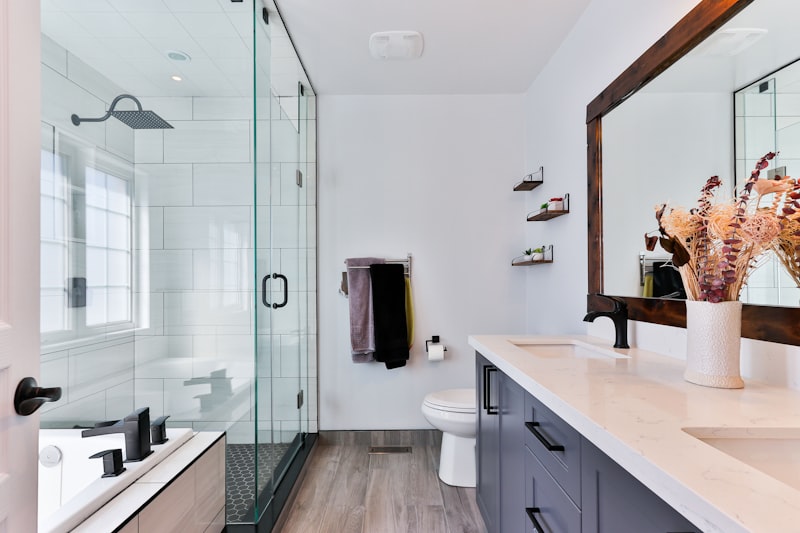
From that point on, it becomes a conventional bathroom renovation: tiling, shower tray, sanitaryware, screen, vanity unit. If you are doing the whole lot, take the opportunity to genuinely improve on what was there before rather than simply restoring it. Browse ideas in our bathroom design gallery.
How much does it cost and how long does it take?
It depends on the extent of the damage, but here are the real figures we are seeing in Paiporta and the surrounding area. These are not marketing numbers — they are prices from actual jobs.
| Type of work | Indicative price | Approximate timescale |
|---|---|---|
| Drying out, treatment and redecoration | €1,500 – €2,800 | 2–3 weeks (including drying time) |
| Full bathroom renovation post-dana | €4,500 – €7,500 | 3–4 weeks |
| Full bathroom with new plumbing and electrics | €6,500 – €9,500 | 4–5 weeks |
The longer timescales are almost always down to the drying-out period, not the actual building work. If anyone promises you “done in a week” without measuring moisture levels, walk away.
For a rough figure tailored to your specific situation, use our bathroom renovation cost calculator — it gives you a realistic range in two minutes.
Grants and insurance: do not leave money on the table
A significant portion of this work may be covered by the Consorcio de Compensación de Seguros (Spain’s public insurance pool for extraordinary natural disasters). If your property had a home insurance policy in force, flood damage from the dana falls under this scheme — not under your usual insurer. Your insurer handles the paperwork, but it is the Consorcio that pays out. Check the status of your claim on the Consorcio de Compensación de Seguros website.
There have also been specific grants from the Generalitat Valenciana for flood-affected housing. It is worth cross-referencing what the Consorcio covers against any regional subsidies, because they do not always overlap. Keep everything: invoices, before-and-after photographs, loss assessor reports. No documentation, no payout.
If your bathroom is in an older building in the historic core, take a look at what can turn up inside the walls in pre-1960 flats and old buildings. And if you are in a neighbouring town, we also have a dedicated guide for bathroom renovation in Catarroja, which shares many of the same L’Horta Sud particularities.
Frequently asked questions
Can I renovate the bathroom even if it looks like it survived intact from the outside?
Yes — and in many cases it is worth doing even if the tiles are holding up. What breaks after a flood is inside: the plaster, the joints and the pipework, not the visible face of the tiles. If there is a damp smell or patches that keep coming back, the walls are still wet underneath.
How long do you have to wait before re-tiling?
As long as it takes, not as long as is convenient. With dehumidifiers, ground-floor properties typically need two to three weeks; left to dry naturally, longer. The reference point is the hygrometer reading, not the calendar.
Does the insurance or the Consorcio pay for it?
Extraordinary flood damage is covered by the Consorcio de Compensación de Seguros, provided you had a home insurance policy in force at the time. Your insurer processes the claim, but the Consorcio is the one that compensates you. Check your claim status on their website.
Is it worth replacing the plumbing while the walls are already open?
In a flooded bathroom with old pipes, almost always yes. You already have the walls stripped; the bulk of the cost of replacing pipework is the hacking out and making good, and you are already paying for that.
Do you work in Paiporta and the surrounding area?
Yes. We are active across the whole of L’Horta Sud. Tell us your situation and we will take a look — no strings attached — through our bathroom renovations in Valencia page or directly via our contact form.
Rebuild it properly — once
We understand: after everything that has happened, you want your home back as quickly as possible. But a bathroom renovated over damp walls is not getting your home back — it is postponing the problem by a year. Do it once and do it right: dry it out properly, treat everything that needs treating, and close it up over sound material.
If your bathroom in Paiporta went under water, tell us what happened and we will come and assess it. We will give you an honest answer on what can be saved, what cannot, and what it costs to leave it better than it was before.