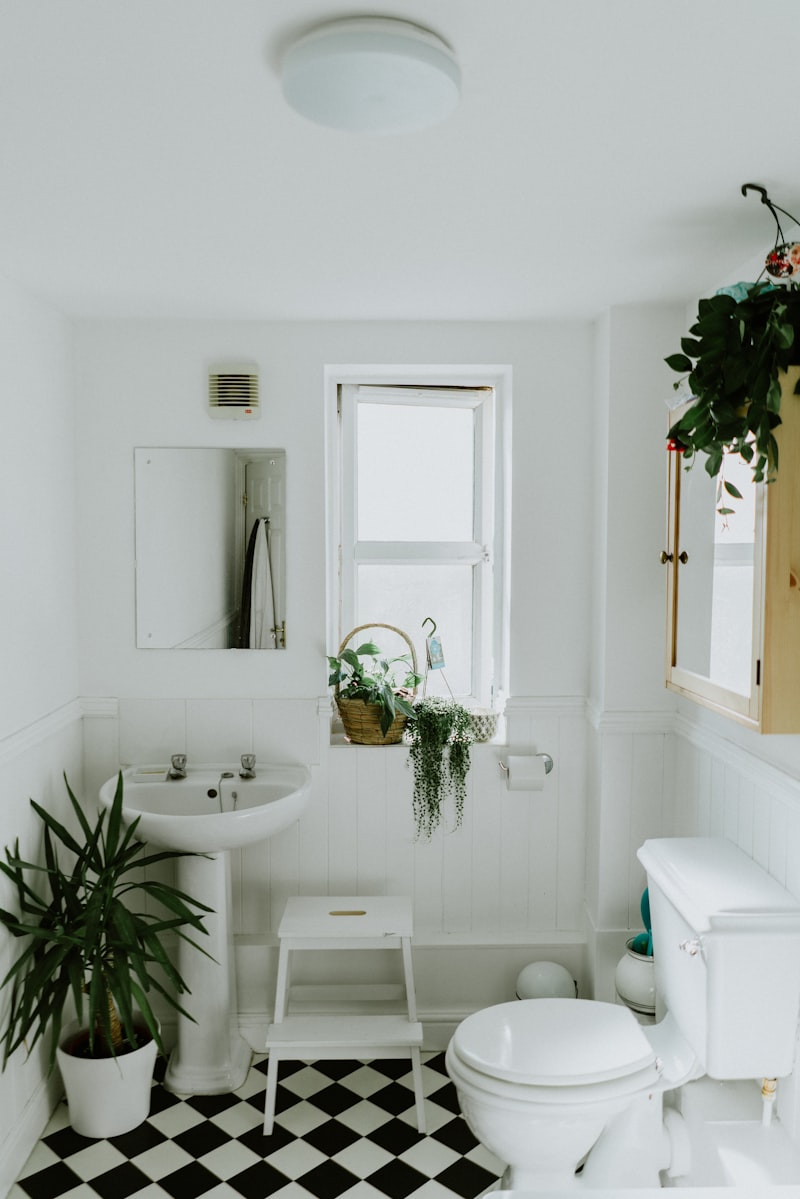
Renovating a bathroom on the third floor with no lift is not the same as in a detached house with a garden. And anyone who tells you otherwise hasn’t renovated many bathrooms.
It seems obvious, but it’s something many renovation companies overlook when quoting you. They say “full bathroom renovation, €4,500” as if all bathrooms were identical. They’re not. The type of property where that bathroom sits changes absolutely everything: material access, rubble logistics, required permits, structural limitations, how much noise you can make and at what hours.
In Valencia and the surrounding area, most of the renovations we do are in flats. But we also work in townhouses in Paterna, penthouses in the city centre and detached houses in l’Eliana or Betera. And each type has its own rules of the game. Let’s go through them one by one so you know what to expect before requesting a quote.
If you already know your housing type and want to get straight to the numbers, our calculator gives you a quick estimate.
1. Flat: the most common and the most constrained
70% of the bathroom renovations we do in Valencia are in flats. And paradoxically, they’re the ones that need the most planning. Not because of the bathroom itself, but because of everything around it: neighbours, the residents’ association, the lift (or lack thereof), shared waste pipes and restricted hours.
Residents’ association and permits
Renovating a bathroom in a flat means, at minimum, notifying the residents’ association. If your renovation affects communal elements — and waste pipes and drains are communal — you may need approval at a general meeting. In many residential communities in Valencia, especially older ones in the city centre and the Ensanche, work schedule rules are strict: 9:00 to 14:00 and 16:00 to 19:00 Monday to Friday. No Saturdays, no holidays.
That affects timelines. A renovation we’d complete in 4 days in a detached house can stretch to 6 in a city centre flat because we work fewer hours per day.
The lift: the great bottleneck
Flats on the Gran Via have narrow lifts that can’t fit an 80x120 shower tray. We’ve checked with a tape measure more times than we’d care to remember. In older buildings in Ruzafa, Benimaclet or El Carmen, some lifts are no wider than 60 centimetres. That means carrying the shower tray up the stairs. To a sixth floor. If your building has no lift — and in Valencia there are more than you’d think — the material-hauling cost can add €200–400 to the budget.
Shared waste pipes
In a flat, the waste pipe is shared with the neighbours above and below. If you want to move the toilet, you need to connect to that pipe with the right gradient (at least 2%). Sometimes the distance doesn’t work. Sometimes the waste pipe is in poor condition and needs repairing, which affects other flats. These are things you only discover when you open up the wall.
Bathroom size
Valencia flats have small bathrooms. Many of the ones we renovate in neighbourhoods like Campanar, Benimaclet or Patraix are between 3 and 4.5 m². That forces you to optimise every centimetre. Layout matters as much as materials. If you want ideas for making the most of limited space, our detailed budget breakdown guide will help you understand where each euro goes.
The upside
Everything has its positive side. In a flat you don’t have a garden or facade to maintain, so you can focus your investment on the interior. Flat bathrooms, though small, usually have all the services (water, drainage, electricity) close at hand. And if the building is well maintained, the renovation is clean and quick.
2. Townhouse: flexibility with caveats
Townhouses are the middle ground. More space than a flat, less than a detached house. And with one enormous advantage for renovations: direct access from the street or garage for moving materials in and out.
More space, more bathrooms
Most townhouses we renovate in Paterna, Godella or l’Eliana have two or three bathrooms. That lets us stagger the work: we renovate one first while the family continues using the other. It’s a real advantage that you don’t have in a flat with only one bathroom. If you’re worried about living through the renovation, read our guide on how to renovate without moving out or taking time off.
Access for materials and rubble
In a townhouse with a back garden or garage, the skip goes at the door and materials come in from below. No narrow lifts or tight staircases. That saves time and, therefore, money. Logistics costs in a townhouse are typically 10–15% lower than in a flat without a lift.
Your own waste pipes
Unlike a flat, in a townhouse the waste pipes are yours. If you want to move the toilet, expand the shower or completely change the bathroom layout, you don’t depend on anyone. The plumbing is in your structure, not the community’s. That gives enormous freedom to rethink the space.
The caveats
Not everything is perfect. Townhouses usually have party walls shared with lateral neighbours, which can limit where you open chases for new pipes. Additionally, some 1990s and 2000s townhouses in developments around metropolitan Valencia have questionable construction quality: cheap polyethylene pipes, poor waterproofing, floating floors that shift. When we open up a bathroom in a 25-year-old townhouse, we prepare for surprises.
3. Penthouse: the most beautiful challenge
If you ask us what our favourite renovation is, we’d probably say a penthouse. Penthouses have something no other housing type offers: abundant natural light and the feeling of being in a special place. But renovating their bathroom has particularities you can’t ignore.
Sloping ceilings and reduced heights
The distinctive feature of many Valencia penthouses — especially those in pre-2000 buildings — is the sloping ceiling. And that’s where the first challenge appears: headroom. Spanish building regulations require a minimum height of 2.20 m in bathrooms (and 2.50 m in the main living areas), but in practice the area under the slope can drop to 1.60 m or less.
That determines where each element goes. The shower needs full height, so it goes in the tallest area. The toilet can go in the mid-height zone (it’s used sitting down). The lowest areas work for storage, a bidet or even a freestanding bathtub.
Weight and structural load
Roof-level floor slabs usually have lower load capacity than intermediate floors. If you’re considering a freestanding cast iron bathtub (which weighs 120–150 kg empty and 350 kg full of water), you need a technician to verify the slab can take it. A resin shower tray weighs 25–30 kg. The difference is vast.
Waterproofing: doubly important
In a penthouse, bathroom waterproofing doesn’t just protect the neighbour below — it protects the building’s roof structure. A leak in a penthouse bathroom can reach the roof structure and cause expensive damage. We apply a double layer of waterproofing in penthouse bathrooms: liquid polyurethane membrane plus sheet in critical areas. It’s an extra €150–200 that is absolutely worth it.
The light: the reward
And here comes the good part. Penthouse bathrooms usually have larger windows, skylights or even adjacent terraces. That natural light transforms any bathroom. Light-coloured porcelain, a glass shower screen and Valencia’s sunlight coming through a skylight. It’s the kind of renovation that makes you want to show the bathroom to everyone who visits. It is, without exaggeration, the type of renovation that gives the most satisfaction to see completed.
4. Detached house: maximum freedom, maximum potential
Renovating a bathroom in a detached house is the dream scenario for any renovation team. Space, access, structural independence and the ability to do almost anything.
No neighbours, no time restrictions
In a detached house you don’t have a residents’ association telling you what time you can drill. We can start at 7:30 in the morning and work until the light fades. That compresses timelines and reduces labour costs. A full renovation that takes 6–7 working days in a flat can be completed in 4–5 in a detached house.
Larger bathrooms and the option to add a new one
Detached houses usually have more generous bathrooms — between 6 and 12 m² is not uncommon — and the real possibility of adding a new bathroom where there wasn’t one before. Converting a dressing room into an en-suite, creating a guest cloakroom on the ground floor, adding a bathroom next to the pool. Everything is viable when you have your own structure and room to manoeuvre.
Underfloor heating
In a detached house, installing underfloor heating in the bathroom is much simpler than in a flat. The floor slab usually accommodates the necessary extra thickness (5–7 cm), and the house’s boiler or aerothermal system feeds the circuit without issue. The cost for a 6–8 m² bathroom is around €800–1,200 (installation included), and the feeling of stepping onto a warm floor when getting out of the shower in January is priceless.
The plumbing is in your hands
In a detached house, you can redesign all the plumbing without limitations. You want the shower where the toilet was and the toilet where the bidet was — you can do it. The waste pipe is yours, the supply pipes are yours, the floor slab is yours. That freedom allows layouts that would be impossible in a flat.
What to watch out for
Detached houses have one common weak point: buried services. If the house is more than 20 years old, pipes running under the slab may be deteriorated. In houses in the Betera, Naquera or La Canada area, we’ve found galvanised iron pipes so rusted the water came out brown. In those cases, the bathroom renovation also becomes a plumbing renovation, and the budget rises.
Comparison table: challenges and advantages by housing type
| Factor | Flat | Townhouse | Penthouse | Detached House |
|---|---|---|---|---|
| Material access | Lift/stairs (limited) | Garage/garden (easy) | Lift + roof stairs | Direct access (optimal) |
| Working hours | Restricted (community) | Slightly restricted (party walls) | Restricted (community) | No restrictions |
| Community permits | Required | Only if party walls affected | Required | Not applicable |
| Typical bathroom size | 3–5 m² | 4–7 m² | 3–6 m² (with slope) | 6–12 m² |
| Waste pipes | Shared | Own | Shared + roof | Own |
| Underfloor heating | Difficult | Viable | Difficult (weight) | Ideal |
| Layout freedom | Limited | Medium–high | Medium (height constraints) | Maximum |
| Logistics surcharge | +10–20% | Minimal | +10–15% | None |
| Waterproofing | Standard | Standard | Double layer (recommended) | Standard |
| Average timeframe (full) | 6–8 days | 5–7 days | 6–8 days | 4–6 days |
How housing type affects the budget
Let’s talk real numbers. Taking as reference a full bathroom renovation with shower tray, complete tiling, vanity unit, thermostatic mixer and mid-range fixtures.
- Flat without lift (4th floor or above): €5,500–7,500. The logistics surcharge (carrying materials up by hand, bringing rubble down in buckets) can add €300–600 compared to the same bathroom at ground level.
- Flat with lift: €5,000–7,000. The lift helps, but time restrictions extend the work.
- Townhouse: €4,800–6,800. Better access, own waste pipes, fewer surprises.
- Penthouse: €5,500–7,800. Extra waterproofing and sloping ceiling adaptations add up.
- Detached house: €5,000–8,500. The range is wider because detached house bathrooms tend to be larger. Per square metre, it usually works out cheaper than a flat.
These figures are indicative. For your specific case, calculate your budget here and you’ll see a personalised breakdown.
What nobody tells you (and we do)
There are things you only learn by renovating bathrooms year after year in the same area. For example:
In city centre Valencia flats, the solid brick walls of 1950s–60s buildings are extremely hard. Opening a chase to conceal a pipe takes twice as long as in a modern partition. If your budget assumes plasterboard walls and they turn out to be 25 cm solid brick, someone’s going to have an awkward conversation.
In 1990s housing development townhouses, the quality of concealed plumbing is a lottery. We’ve seen everything: polyethylene pipes bent at the curves (flow restriction), connections with unsoldered brass fittings, copper pipes with limescale pitting. If your townhouse is more than 20 years old, budget for a plumbing inspection before deciding what to renovate.
In penthouses, the floor drains on the terrace adjacent to the bathroom are your first line of defence against leaks. If they’re blocked with leaves and debris, water accumulates on the terrace and finds the easiest path — which is usually through your bathroom wall. Clean those drains before spending a single euro on renovating.
In detached houses, the distance between the water heater and the bathroom matters. If the heater is in the garage and the bathroom on the second floor, the first 20–30 seconds of your shower run cold. A hot water recirculation pump costs €300–500 and eliminates that wait. In a detached house, it completely changes the shower experience.
Frequently asked questions
In which housing type is a bathroom renovation cheapest?
In terms of cost per square metre, the townhouse usually works out most affordable: good access, own waste pipes, no logistics surcharges. A detached house has similar costs but the bathrooms are larger, so the total goes up. A flat without a lift is proportionally the most expensive.
Do I need permission from the residents’ association to renovate my flat’s bathroom?
It depends on the scope. If you’re only changing finishes and fixtures without touching waste pipes or structure, notification is sufficient. If you’re modifying plumbing that connects to communal waste pipes, you need to formally communicate it. If you’re touching structure (opening an opening, moving a load-bearing partition), you need a technical project and planning permission. More detail in our building permit guide.
Can I install underfloor heating in a flat bathroom?
Technically yes, but it’s complicated. You need 5–7 cm extra floor height, which reduces headroom and creates a step with the hallway. In flats with 2.50 m ceilings, those centimetres matter. The alternative is an electric heating mat (3–5 mm thick) installed under the porcelain. It costs €200–400 and heats the floor without stealing height.
Is it true that penthouses have more moisture problems?
More problems, no. Different problems. A well-waterproofed penthouse shouldn’t have moisture issues. The risk comes from proximity to the roof: if the terrace or roof waterproofing fails, the bathroom is the first casualty. The key is proper waterproofing during the renovation and keeping the terrace drains clean. Read more in our guide on bathroom moisture: causes and solutions.
Is it worth adding a new bathroom in a detached house?
Almost always yes. An additional en-suite bathroom (connected to the main bedroom) or a guest cloakroom on the ground floor increases the property value by 5–8% according to local Valencia valuers. And in daily life, if you’re a family of four, having a third bathroom completely changes the morning dynamic. The cost of a new bathroom from scratch in a detached house is around €6,000–10,000, depending on size and the services that need routing.
Your housing type sets the path, not the destination
It doesn’t matter if you live on the third floor with no lift in Benimaclet or in a detached house in Rocafort. A great bathroom is possible in any property. What changes is the path to get there: logistics, timelines, permits and some costs.
What matters is that the company you hire knows these differences and accounts for them in the quote from day one. No surprises halfway through the work. No “we hadn’t foreseen this.” If someone gives you a quote without having seen your property and without asking what floor you’re on, what the lift is like or who your residents’ association is, be wary.
At Reformarte we’ve been renovating bathrooms in all types of properties in Valencia and the surrounding area for years. City centre flats, Paterna townhouses, Campanar penthouses, Betera detached houses. Every property has its own character and we enjoy adapting the renovation to what it needs. If you want a real quote — not a generic figure — request one here or come see us. We’ll visit the bathroom, take measurements, assess the access and tell you exactly what’s going to happen and how much it will cost.
Because renovating a bathroom isn’t just about choosing tiles. It’s about understanding the property where those tiles are going. And that makes all the difference.